

Crocodile Oil vs Emu Oil: Which Natural Oil Is Better for Skin?
Natural Oil Comparisons 22 January 2026
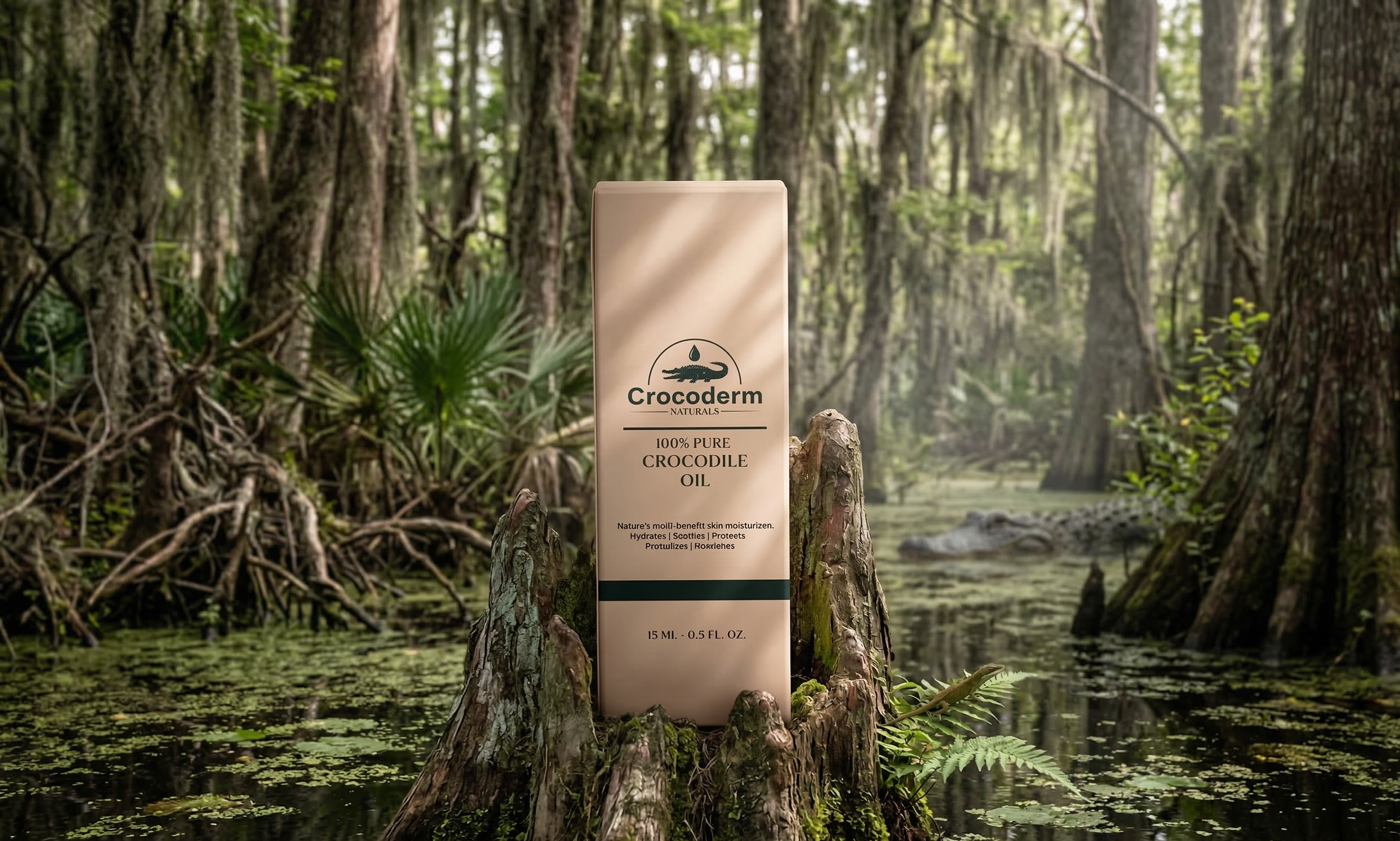
Natural oils have become increasingly popular in skincare routines as consumers search for simple, effective ingredients. Two oils that are often compared are crocodile oil and emu oil. Both have been traditionally used in skincare and contain fatty acids that support skin hydration and conditioning.
But many people wonder: which oil is better for skin — crocodile oil or emu oil?
In this article we explore the differences between these two natural oils and how they compare in skincare.
What Is Crocodile Oil?
Crocodile oil is a natural oil extracted from crocodile fat through a purification process. The oil contains a mixture of fatty acids including:
-
Oleic acid
-
Linoleic acid
-
Palmitic acid
-
Palmitoleic acid
These lipids are also commonly found in human skin and many skincare formulations. Because of this composition, crocodile oil has gained attention for its benefits for skin, including hydration and skin barrier support.
Traditionally, crocodile oil has been used in several cultures to help moisturize and support the appearance of healthy skin.
What Is Emu Oil?
Emu oil is derived from the fat of the emu bird and has been used in traditional Australian practices for many years.
Like crocodile oil, emu oil contains fatty acids that may support skin hydration and barrier function. Emu oil is commonly used in skincare products designed to help maintain soft, moisturized skin.
Because both oils share similar lipid structures, they are often compared in discussions about natural skincare oils.
Fatty Acid Composition
Both crocodile oil and emu oil contain fatty acids that play a role in maintaining skin hydration.
However, their compositions are slightly different.
Crocodile oil typically contains a balanced mix of fatty acids including oleic acid and palmitoleic acid, which are also present in human skin lipids.
Emu oil is often higher in oleic acid, which contributes to its ability to spread easily across the skin.
Because of these differences, the two oils may feel slightly different when applied to the skin.
Texture and Absorption
One factor that often influences people’s choice between oils is how the oil feels on the skin.
Crocodile oil is often described as having a smooth and lightweight texture that absorbs easily.
Emu oil also spreads easily and is commonly used as a moisturizing oil in skincare routines.
The best choice may depend on personal preference and how your skin responds to each oil.
Hydration and Moisturizing
Both oils are frequently used to help maintain skin hydration.
Natural oils form a protective layer on the skin that can help reduce moisture loss and support the skin’s natural barrier.
This is why both crocodile oil and emu oil are commonly included in skincare routines designed to help with dry or dehydrated skin.
Which Oil Is Better?
When comparing crocodile oil vs emu oil, there is no universal answer for which oil is “better.”
Both oils contain fatty acids that support skin conditioning and hydration. The choice often comes down to:
-
personal skin type
-
texture preference
-
ingredient sourcing
-
product purity
Some people prefer crocodile oil because of its balanced lipid composition and lightweight feel, while others prefer emu oil for its long history of traditional use. If you’re interested in trying crocodile oil for yourself, explore 100% pure crocodile oil from Crocoderm Naturals.
Final Thoughts
Natural oils continue to play an important role in skincare routines around the world. Both crocodile oil and emu oil offer moisturizing properties and contain fatty acids that support skin conditioning.
As consumers continue to explore natural skincare ingredients, comparisons like crocodile oil vs emu oil will remain a common topic in skincare discussions.
Can Crocodile Oil Help With Acne, Eczema, and Skin Irritation?
21 January 2026

Can Crocodile Oil Help With Wrinkles and Fine Lines? What the Research Suggests
22 January 2026

7 Potential Benefits of Crocodile Oil for Skin: Hydration, Acne Support, and More
26 January 2026
7 Potential Benefits of Crocodile Oil for Skin: Hydration, Acne Support, and More
26 January 2026